
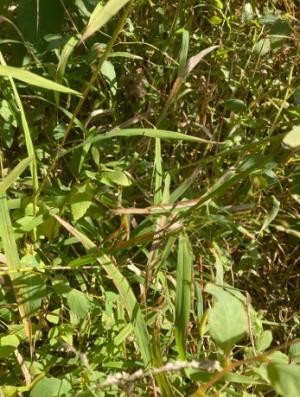
September was a great month for Outdoor Education with spectacular weather and many great activities. Many classes had opportunities to explore God’s creation and take time to look closer at the details and wonders of what God has made. We need to stop and look close to see what we might otherwise miss. For instance, try to find the hidden creature in the grass. The camouflage keeps it hidden quite well, but looking close helps reveal more of God’s creation. There has also been a lot of planting as we undo summer and plant for fall and winter in the hoop house and greenhouse. Here is a quick sample of some of what we have been up to.
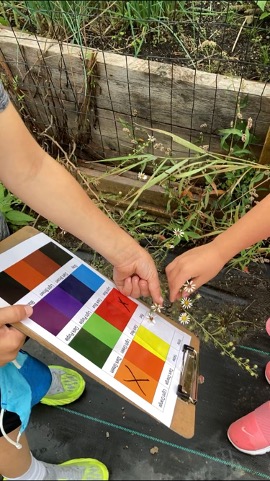
1st: In first grade our focus was mostly on plants. We learned about plant parts before harvesting onions. We read about planting a rainbow and then collected flowers for our rainbow bouquet. On a hike we searched for the largest tree we could find. We also collected herbs to dry that we can use later to make tea!
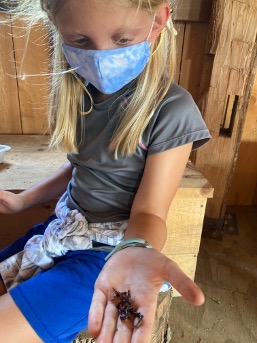
3rd: 3rd graders have been busy! We made and feasted on mashed potatoes from potatoes we harvested ourselves (find them for sale at our Wednesday afterschool market!). Our five senses were activated in describing the properties of garden vegetables (including taste!). Our bean, cucumber, and pea seeds have grown into plants, which will crawl up a trellis and (hopefully) turn our greenhouse into a food forest. And we finally harvested our Three Sisters squash and popcorn, which we planted when we were mere second graders! We are eagerly awaiting for them to complete their curing process so we can enjoy another garden feast. :)
[IMAGE '1982' /]4th: Before fourth grade left for zoo school we took a moment to practice observation by heading to our barn to observe goat and chicken behavior in preparation for their work at the zoo. We also took some time to help out at school by cleaning up some weeds in the archeological dig site to prepare for the 6th grade project. They did great work!
5th: Aside from learning the roles of goat care this month, fifth grade has also spent time learning the ropes of survival. How to make decisions in a survival situation, create a shelter and build a fire. These skills were then put to the test at a rainy survival camp which had kids sleeping in their own hand built shelters.
6th: Sixth grade has done a lot of working learning the ins and outs of the chicken chores for the Got Yolk business. After learning the different jobs, students applied for their own role on the team. Official job training and work starts soon. The students are also incubating fertilized eggs! You can watch their progress here - hatching should begin around the 20th of October!
7th: We began the year with a team building challenge that helps us consider how we all need to work together in class. We took some time to learn about the watershed at ACS as well and what happens to all the water at school. We also will spend some time with tree identification before the trees lose their leaves.
8th: We began the year with a team building challenge which tied into how we need to work together as a team for class to go well. We then introduced the idea of sit spots, in which students have quiet alone time for self reflection. They will return to their same spots throughout the year. We are now in the middle of a mini unit on invasive species in which we will discuss invasives, identify them and then spend time removing them from the woods at school.